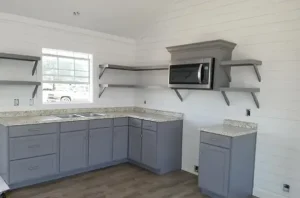
A remodel can feel fun and stressful together. So, a simple budget keeps you steady. First, pick one room or one goal. Then, write why you want the change because that reason guides your choices. Next, set two numbers for the job. One number is your target spend. The other number is your hard limit. After that, share those numbers with everyone involved.
So, nobody gets surprised later. Also, remember prices change over time. Materials can cost more in busy months. Labor can cost more when crews stay booked. So, planning early can save you money. If you want a plan, talk with Clean Cut Construction. They offer General Contractors, Flooring & Tiling, and Cabinetry. So, you stay in control.
- Target spend number
- Hard limit number
- Move-in or event date
Prioritize Remodeling Needs To Simplify Budget Choices
Before you shop, decide what you truly need. Otherwise, the plan can grow every week. First, list three must-haves for the space. Then, list three nice-to-haves for later. Next, write one short reason for each must-have because reasons keep you from buying on impulse. For example, you may need flooring that is not slippery. Or, you may need cabinets that open and close well. Also, decide what parts can stay. Keeping your layout often saves money. Moving a sink can raise costs fast. So, keep plumbing where it is when possible.
If you want new tile, think about cleaning too. Smaller grout lines can mean easier care. So, choose sizes that fit your routine. When you share a clear list, your contractor can price faster. Then, you get a plan that matches your real life.
Must-have ideas that often matter:
- Stop leaks and water stains
- Replace damaged or slick floors
- Add storage for daily items
- Improve the light in work areas
- Fix cabinets that do not work
Remodeling Budget Tips To Avoid Costly Surprises
Hidden issues can change your costs fast. So, check the home before you buy finishes. First, look for water marks under sinks. Then, check around tubs and showers. Also, feel for soft spots near toilets because moisture can weaken wood over time. Next, walk the room and notice the bounce. If the floor feels uneven, plan for prep. Tile needs a flat base, or it can crack. Many installers aim for no more than 1/8 inch dip over 10 feet. So, leveling can be part of the job. Also, look at your power needs. If you add lights, you may need more circuits. Then, a permit may be required in many towns. When you talk about these risks early, bids stay closer to final costs.
Quick warning signs to watch:
- Musty smell near wet walls
- Loose tile or hollow sounds
- Cracked grout in shower corners
- Slow drains or weak pressure
- Outlets that feel loose
Group Remodeling Costs Into Clear Budget Categories
A good budget uses simple buckets. So, you always know where money goes. First, split costs into labor and materials. Then, add a third bucket for fees and prep. Prep includes floor leveling, wall patching, and old material removal. Fees can include trash hauling and delivery. Next, keep each major task on its own line. That way, you can see changes right away. Also, ask the contractor to list what is included.
For flooring, ask about underlayment (a thin layer under floors) and trim. For tile, ask about backer board (cement board) and waterproofing. Those parts matter, even if you cannot see them. For cabinets, ask about fillers and crown trim. They help cabinets fit tight to the walls. When you see every line, you can compare bids better. Then, you can choose based on scope, not guesswork.
Common line items people miss:
- Demo and disposal
- Floor prep and leveling
- Underlayment or moisture barrier
- Tile adhesive and grout
- Cabinet trim and fillers
- Baseboards and paint touch-ups
Use Allowances To Control Remodeling Costs
Shopping is where budgets often slip. So, set allowances for items you have not chosen. An allowance is a set amount you plan to spend. If you pick above it, you pay the difference. That keeps choices honest and clear. First, set an allowance for flooring per square foot. Then, set one for tile and grout. Next, set one for cabinets, hardware, and pulls.
Also, include sales tax in each allowance. Taxes can add a lot, even on small upgrades. For flooring, plan for waste and cuts. Many pros order 5% to 10% extra, based on layout. For tile, extra can be higher with patterns. So, ask what makes sense for your room. Also, ask about lead times. Cabinets often take 4 to 10 weeks, depending on style. So, pick early to avoid delays.
Allowance tips that help:
- Check store prices first
- Add tax and delivery
- Order extra for waste
- Choose hardware early
- Keep receipts and notes
Budget Buffer For Remodeling Permits And Changes
Permits can be part of the cost. So, ask what your city requires. Electrical and plumbing changes often need permits. Some towns also require inspections during the job. Fees vary, yet they can still hit your budget. So, place a permit line in your plan from day one. Next, build a buffer for the unknown. Many contractor groups suggest saving 10% to 20% for surprises. That buffer can cover hidden water damage or wiring updates.
Also, save some buffer for change orders. A change order is a written price for a change. So, ask for it before work starts. Then, you avoid a shock at the end. If you want to change tile size mid-job, costs can rise. It can add labor and extra material. So, lock key choices early when you can.
Smart uses for the buffer:
- Rot repair behind cabinets
- Extra floor prep after demo
- Small safety code updates
- Replacement for damaged delivery
- Added labor from a change
Remodeling Payments And Timeline Expectations
A clear payment plan helps everyone. So, link payments to job steps, not dates. For example, pay after the demo and cleanup finish. Then, pay after rough plumbing or wiring passes checks. Next, pay after the cabinets are set in place. After that, pay after the flooring or tile install completes. Also, hold a final payment until the punch items finish. Punch items are small fixes at the end. That can include a loose drawer or a grout touch-up.
Also, set a simple schedule for choices. If you wait to pick tile, work may pause. Then, labor can stretch longer than planned. So, pick big items early and keep them in stock. With one team handling floors, tile, and cabinets, timing gets easier. Clean Cut Construction can manage the flow as your general contractor.
Ask these questions before you sign:
- What is included in the price?
- Who orders and stores materials?
- How do you approve changes?
- What is the start and end range?
- What happens with delays?
Conclusion A remodel budget works when you keep it clear. First, pick needs before you shop. Then, check the home for hidden problems. Next, split costs into simple buckets. Also, use allowances for items you have not chosen. After that, keep a 10% to 20% buffer for surprises. Finally, approve changes in writing each week. Ready to start? Call Clean Cut Construction today for a clear estimate. They handle general contractors, flooring & tiling, and cabinetry. So, you stay on track.